
Do Streaks and Leaderboards Still Work?
Games today often give players a reason to return every day. You log in, collect a reward, and sometimes check your position on the leaderboard. Daily streaks and rankings are now standard features across many types of games.
Some players enjoy the routine, while others feel it adds pressure to something meant to be fun. As game design evolves, so do player reactions to these systems. It's worth considering whether streaks and leaderboards still add to the fun or if they've started to lose their impact.
How Streaks Turn Habit Into Gameplay
Daily streaks are now found in everything from mobile apps to browser-based games. They’re simple to understand and quick to use, which makes them appealing to both casual and dedicated players. But what made them so effective and widely adopted in the first place?
Small Rewards That Build Habits
At its core, a streak is about consistency. You log in and get something in return. Even if the reward is minor, like coins, spins, or a collectible item, it creates a sense of satisfaction. These small rewards offer a no-pressure way to stay involved in the game. They require little time or effort, which makes it easy for players to build a habit. Over time, that daily action becomes part of their routine.
Why Players Avoid Missing a Day
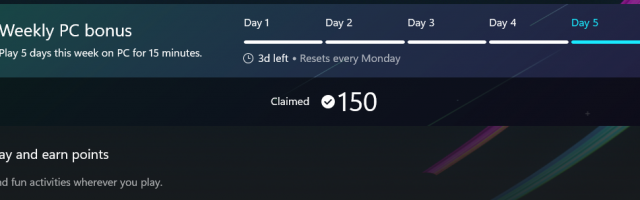
Streaks aren’t just driven by rewards; they also work because players don’t want to lose their progress. After several days of check-ins, such as five, 10, or even 30 in a row, breaking the streak can feel like wasted effort. This reaction connects to a concept known as loss aversion, where the pain of losing something feels stronger than the pleasure of gaining. Research published by MIT Press shows how this emotional imbalance plays a significant role in game design, making streak mechanics especially effective at maintaining engagement. That underlying pull keeps players coming back—even when their interest in the game itself starts to fade.
Mobile Games Pushed It Forward
Mobile games played a major role in popularizing streaks. Puzzle games, daily challenges, and word apps like Wordscapes used streaks to encourage players to return regularly. Since these apps were already part of people’s daily phone habits, tying rewards to check-ins felt natural. What began as a small bonus gradually became a core feature. Today, players often expect streaks and, in some cases, even structure their day around keeping them going.
How Leaderboards Changed the Way We Play
Leaderboards introduced visible competition into games. Players could track their progress alongside others, creating new goals like moving up in rank or holding a top spot. Over time, however, not everyone found this enjoyable, and opinions around leaderboards started to shift.
Friendly Competition and Motivation
Leaderboards create goals. When you see your name close to the top, it's natural to want to push a little harder. This kind of competition can keep players coming back, especially when they feel they’re improving. Even if you’re not in first place, climbing the board gives a sense of progress. It turns solo gaming into a shared experience.
Problems With Always Competing
Not everyone enjoys being compared. For some players, seeing the same top names can feel discouraging. The constant pressure to stay competitive may turn play into stress. Here are a few common concerns:
- Feeling left behind when high scores are out of reach
- Quitting early because the board seems impossible to climb
- Burnout from trying to keep up with more experienced players
When leaderboards focus too much on performance, casual players often lose interest.
New Styles of Ranking
To fix these issues, some games now use leaderboards in smarter ways. Seasonal boards, for example, reset every few weeks, giving everyone a fresh chance. Others use tiered rankings, placing players in groups based on skill or experience. These new formats make leaderboards feel more fair and help keep players motivated without added stress.
Game Features That Keep Players Coming Back
Some games continue to use streaks and leaderboards in ways that feel rewarding rather than demanding. This works especially well on free-to-play platforms where the focus is more on fun than pressure. The goal is to encourage players to return without making it feel like a requirement.
A Low-Stress Way to Stay Engaged
A well-known sweeps casino offers a good example of this softer approach. In this case, daily streaks reward casual check-ins without any pressure. The design invites players to return regularly with minimal effort and no added stress. Features include:
- Daily login bonuses that offer extra coins or tokens
- Streak-based milestones that unlock small surprises
- Leaderboards that reset often and highlight participation instead of perfection
This style feels more inviting. Players don’t need to stay active every day to benefit. They can simply check in when they like and enjoy the rewards at their own pace.
Flexible Systems Encourage Long-Term Play
Games that avoid punishing players for missing a day tend to keep their audience longer. Instead of resetting the streak, some games just pause it. This makes returning feel easy rather than stressful. It’s a small but meaningful design choice that prevents frustration and encourages a smoother return.
Private Leaderboards Are Gaining Ground
Some platforms now allow users to join smaller leaderboards with friends, guilds, or custom groups. These mini-competitions help players stay engaged without being overwhelmed. Competing with people you know feels more personal and enjoyable than going up against strangers at the top of a global board.
How Players Feel About These Features Today
Daily streaks and leaderboards have been around for a while, and player opinions are now more divided. Some still enjoy the experience, while others see it as repetitive. Much of the response depends on how much pressure the system creates.
Some Players Still Enjoy the Routine
For many, daily check-ins bring a sense of routine to their gaming life. They enjoy the small bonus or surprise that comes with logging in. It becomes part of their daily rhythm, something quick and familiar like a digital coffee break. When the rewards are light, fun, and easy to collect, it adds a pleasant touch without requiring much time.
Others Choose to Skip It
Plenty of players now ignore streaks and leaderboards entirely. When the rewards feel too small or the system seems forced, interest fades quickly. Instead of feeling like a bonus, the feature starts to feel like an obligation. And once it feels like a chore, many players lose motivation to keep engaging.
Balance Makes It Work
These features still have value when implemented thoughtfully. Players respond better when the rewards feel fair and match the effort required. Flexibility also plays a big role. Games that offer multiple ways to progress give more players a chance to enjoy the experience in their own way.
Should Developers Keep Using These Tools?
Some features stay popular because they work, but only when used in the right way. Daily streaks and leaderboards can still help, but developers need to think carefully about how they’re used. When they add value without pressure, players respond better.
Keep It Optional
Streaks aren’t just driven by rewards; they also work because players don’t want to lose their progress. After several days of check-ins—like five, ten, or thirty in a row—breaking the streak can feel like wasted effort. This ties into loss aversion, a concept where the pain of losing something outweighs the pleasure of gaining. A 2023 study of over 2,400 adolescents found that strict streak systems were linked to heightened feelings of pressure and compulsive behavior, especially among those who maintained long-running streaks. That emotional pull keeps players coming back—even when their actual engagement with the game is low.
Make It Feel Personal
Global leaderboards can be discouraging if the top spots are always out of reach. Smaller boards, like ones for friends, local players, or same-skill groups, feel more meaningful. Players enjoy seeing progress in a space that matches their own pace. It feels like friendly competition, not pressure to win.
Combine With Other Features
Streaks and rankings can feel stale on their own. But when tied to other systems, like unlocking story content, earning visual upgrades, or joining seasonal events, they become more fun. Mixing these tools with fresh content gives players more ways to stay interested over time.
Conclusion
Daily streaks and leaderboards can still be useful, but only when they’re handled with care. Players want to feel rewarded, not rushed. If these systems are flexible, optional, and tied to something meaningful, they can help keep people interested without adding stress.
The key is balance. A streak should feel like a bonus, not a chore. A leaderboard should feel exciting, not discouraging. When players feel like they have control and that their time is respected, they’re more likely to keep coming back.
As games continue to grow and change, so should the tools that support them. Streaks and rankings don’t need to disappear; they just need to evolve. Done right, they can still offer simple, satisfying reasons to play every day.


COMMENTS