
 AD
AD
How Some Games Have Evolved in the Digital Age
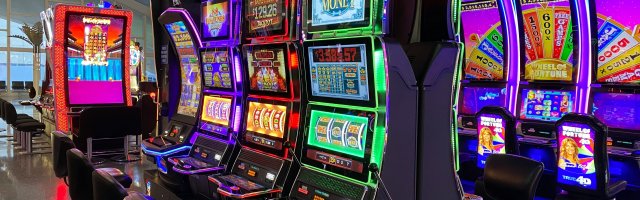
Slots used to be forgettable. One spin looked like the next. What mattered was whether the machine paid or didn’t. That was it. Now it’s not just about the result anymore. The rest of the experience matters, too. That’s where the change started.
Slots Are Now Built to Entertain Even Without a Win
The games look different, sound different, and hold your attention better than they used to. It’s not just flash, it’s deliberate. Developers want players to stay engaged even when they’re not winning. That’s where a lot of the evolution happened. The balance shifted. You’re not just spinning for a payout, you’re spinning for a reason to keep playing.
That’s what gambling expert Matt Bastock highlighted in his CasinoBeats real money slots analysis where he points out how many of these sites offer players thousands of thrilling slot games with high RTP rates, fast payouts, and generous bonuses like welcome rewards cashback offers, and free spins, bring the magic of the casino to you across multiple devices.. He broke down how slot makers are building games that feel like they’re doing more. More animation, more sound design, more things happening in the background. It’s not about distracting the player. It’s about giving the player something that feels active, even if the reels aren’t hitting. The best slots now look good and still pay well, and that’s what gets them played.
Everything Used to Be Reskinned
Same mechanics, different theme. That’s how it was for years. Developers didn’t bother changing the structure, they just gave the same slot a new coat of paint. Egypt, Vikings, candy, outer space. Didn’t matter. You knew what to expect. Three matching symbols, maybe a wild, maybe a bonus. That was enough then. It wouldn’t fly now.
Now it’s obvious when a studio’s lazy. Players move on fast. A slot has to show its best stuff early. If nothing new happens within the first 40 spins, it gets closed.
Players Watch the Game Between the Wins
A lot of players aren’t chasing a win on every spin anymore. They’re watching the buildup. The slow charge of a feature, a meter creeping up, wilds collecting in the background. These systems weren’t around before. Older games didn’t care about suspense. Now that’s part of the gameplay loop.
It works. It gives people something to hold on to when the base game’s dry. A near miss means something now. Not because it almost paid, but because it often leads into the next mechanic. There’s a point to waiting.
Visuals Are Designed to Keep You Focused
Even on mobile, the layouts are built to keep you looking in one place through smart mobile gaming design and Ux design. The best slots now don’t overload the screen. Developers trimmed down the noise. Win counters don’t take over. Menus are tucked away. Everything moves smoothly when it needs to and stays quiet when it doesn’t.
This came from data. Too many visual interruptions meant players tapped away. Studios started cutting. Some games even removed background loops to keep attention on the reels.
Bonus Features Have Layers Now
Free spins used to be the end goal. You’d trigger them, watch them play out, then go back to the base game. That’s changed. A lot of slots now build in structure during the bonus round. Some add levels. Some unlock different rules. Others change how the reels behave. It’s not random variety, it’s planned progression.
This means the bonus can be short and still feel like it did something. It’s also why players don’t just look for the biggest wins anymore. They want bonuses that unfold differently every time.
Most Slots Don’t Even Use Paylines Anymore
You don’t see 20-line slots topping the charts now. Cluster pays, megaways, symbol collection, those are the mechanics getting played. It’s not about one line hitting. It’s about combinations that feel like they keep expanding.
These setups allow for more movement. Symbols drop, break, get replaced, or trigger chains. It’s not just one spin anymore. One win turns into three. The game encourages you to keep watching.
The popular mechanics now are usually some mix of:
- Cascading or collapsing reels.Sticky wilds with hold potential.
- Symbol collects or scatters charge systems.
- Multi-level bonuses.
- Modifiers that build over time.
- Expanding reels or shifting rows.
- Cluster hits that grow wins.
- Bonus buy options (when allowed)
Each one adds time to the spin without dragging the pace. That’s what keeps sessions from feeling flat.
Streamers Forced Developers to Show More
When slots started getting streamed, studios had to think about how their games looked to a specific audience and thus required them to tailor their marketing and offerings. That meant more animations, quicker bonuses, and visible signs that something good might be coming. It wasn’t enough for a slot to pay well. It had to look like something was always about to happen.
Streamers skipping games that didn’t show visual progress hit studios hard. Now, most titles build in small effects, dust swirls, wild glows, bonus teases, to show that the spin’s doing something even if it ends up dead.
Some Players Now Pick Based on Volatility
No one used to ask about volatility. Now it’s part of the decision. Some want a smooth session, lower volatility, and more frequent hits. Others want the all-or-nothing swings. High volatility slots cater to that. Developers mark it. You know what you’re getting into.
It’s also used as a marketing hook. A slot with max volatility gets listed on high-stakes forums. One that hits often with slow drain gets picked for long mobile sessions. Both have value.
Branding Only Works If the Game Does
Slapping a logo on a slot doesn’t move the needle anymore. Branded games still launch, but they don’t guarantee traffic. What matters now is how that brand gets used. If it’s just symbols and background music, the slot drops off quickly.
The better ones tie in everything, bonus structure, sound design, and base game transitions. If a show character triggers a feature or if the game reacts like the source material, then it works. Otherwise, players leave.
Bonus Buys and Fast Play Changed the Flow
Where allowed, bonus buys turned slots into short sessions. Players skip the build. They just buy the moment. That changed how games are built. Developers know some players will never see the base game more than a few spins.
So they started tuning base games to be lighter or more visual without requiring patience. This made bonuses feel like a separate product. Two ways to play, one for buildup, one for direct hits.
Regulation Changed What Developers Could Rely On
Several markets shut down autoplay. Some banned bonus buys. A few blocked fast-spin altogether. Studios had to respond. They didn’t stop making aggressive games, they just hid the mechanics deeper. Now you collect, build, and unlock manually. That keeps players in the loop longer and fits into the new rules.
In some cases, this made the games better. More player control, more features that play out gradually. Less reliance on blind volume play.
Feedback Loops Got Smarter
Studios don’t launch blind. They test. They track spins, session times, bounce rates, and bonus engagement. Every stat feeds the next release. A mechanic that didn’t get used gets pulled. A bonus that too few players reach gets adjusted. Nothing happens by accident anymore.
This also changed how often a feature shows up. Too rare, it gets missed. Too frequently, it loses impact. Now they land just enough to keep someone spinning.


COMMENTS