
 AD
AD
Why Every Game Now Feels Like a Battle Pass
A decade ago, playing computer or mobile games felt like the most amazing reward at the end of a frustrating work day. People of all ages gladly attached themselves to their screens, fighting big bosses, solving riddles, and shouting in excitement when they overcame yet another challenge.
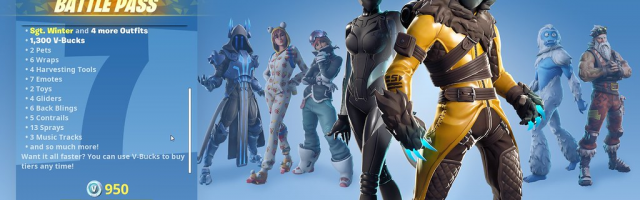
However, the era of gaming bliss seems to be over now. The majority of the newest titles are soulless at their core: yes, they offer endless rewards and challenges, but the way they are structured is reminiscent of a checklist. You are working through a battle pass, a system of tiered progression, instead of enjoying yourself, and no matter how much you play, the feeling of fulfilment doesn’t come.
What went wrong, and can we do anything to improve the situation?
When Rewards Took Over the Gameplay
Rewards are obviously a crucial part of every game, but their actual value differs from type to type. Let’s take the most popular games in Australia, such as online pokies and bingo. They are exciting and fun, but what matters most is their transparent rewards with obvious value.
The players can see what they’ll be getting in case of a victory from the very start. All they have to do is check out the best paying online pokies rated by Pokies Pros and choose a game based on its payout percentage. This way, they understand what they are playing for, and since the reward comprises real money, its value is absolute.
Unfortunately, with other games, the situation is more dire. Time to deconstruct it brick by brick.
The Shift From Challenge to Checklists
In the past, the point of the game was the challenge itself. To get anywhere, you had to:
- Get used to the mechanics of the game
- Develop your skills by going through the same level repeatedly
- Fight and struggle to make progress
- Experience the most blissful sensation upon winning
The games had a huge intrinsic value — but no more. Today, to entice players into logging in every day, the developers have introduced a system of daily challenges.
It’s not about mastering the game anymore; it’s about tackling challenges and earning rewards. With so many of them, playing has started to feel like a job. You open a game not to have fun but to go through the daily checklist of chores, and it’s extremely frustrating.
Top Digital Rewards Are Everywhere, But Are They Meaningful?
In the endless number of modern games, rewards are hiding under every stone. They can feature:
- Numerous special outfits for all the characters, from elegant dresses to clown-like costumes, sexy shirts, military gear, and so on.
- Different skins for the weapons that can turn a simple knife into a cool dagger or a stick into a customized gun.
- Extra voice filters that give the characters a chance to sound different and stand out from the default options.
- Accessories and supplements like hats, bags, high heels, tattoos, glasses, etc.
At first glance, these rewards might sound entertaining, but think about it. Do they offer any real value? Whether you’re using a stick or a gun, whether you’re wearing a dress or special gear — these changes are superficial. The amount of damage you can cause and take remains the same, so getting these so-called rewards is bound to feel hollow.
How Games Became Work
Gamers often fail to understand why their enjoyment is fading, but the truth is, the games they play have started to resemble work.
Smart In-Game Incentives or Digital Manipulation?
Consider battle passes and what they stand for. There are two ways of looking at them:
- Battle passes as smart incentives. You can view battle passes as a tiered system of true challenges and fulfilling rewards that help you refine your skills and enjoy the game to the maximum.
- Battle passes as digital manipulation. Alternatively, you can see a battle pass as a manipulation tactic implemented by the developers with the goal of getting you to log in every day and spend more time playing and buying things.
If you think back to the quality of the so-called rewards, you’ll realize that the second option is what a battle pass truly is. Sure, having a prettily dressed character might be fun, but it doesn’t help you progress through the game. It’s a clear example of digital manipulation where you spend time and money for meaningless prizes.
We Grind Because It Works
Millions of people keep playing and paying money for it. The reports indicate that the revenue from online games will increase by 7.7 billion dollars between 2025 and 2030, so yes, the grind works. However, it doesn’t mean that the satisfaction is the same. You might get the initial rush of excitement after accomplishing yet another micro-achievement, but in the long term, it won’t get you anywhere.
The Era of Optimized Play
We’ve entered the era of optimized play where fun has become a concept of the past.
Every Minute Matters
A daily quest that you must complete to get a chest with rewards. A two-day tournament that requires you to hurry through all the rounds. Everything is a rush, everything is a battle for prizes — some players actually feel guilty when they fail to complete all daily challenges.
Every minute matters when you work, but gaming is supposed to be different. The primary goal is to have unbridled fun where you don’t think about deadlines and checklists.
Battle Passes As Invisible Contracts
A battle pass is basically a work contract between you and the game at this point. You have to complete endless challenges to get compensated, not to mention that the rewards will look good on your screen while lacking any actual value. It creates a cycle of obligation that destroys the concept of fun.
The Future of Gaming
Modern games are battle passes that require time and effort while giving you very little in return. If you’re willing to spend money on gaming, it’s better to buy an Xbox Game Pass and get access to a library of popular titles you can try. By accepting the hollow state of things now, you’re contributing to soulless gaming where everything is a meaningless milestone.
The future might change for the better if people admit that the current games aren’t scratching the itch. They are not fun, they are not entertaining — they feel like an obligation. Voice your thoughts, be picky when selecting your games, and with enough other players in your corner, you can become a part of hopeful changes.


COMMENTS