
Hollow Knight: Silksong Review
Team Cherry's Hollow Knight: Silksong has a lot to live up to, as the developer's debut title became an industry staple pretty quickly. Having become a must-play game, Hollow Knight has earned its spot among the greats, and seven years in the making, many memes, and tons of hype, Silksong is fighting an uphill battle to meet expectations. Surely, that's an impossible feat... right?
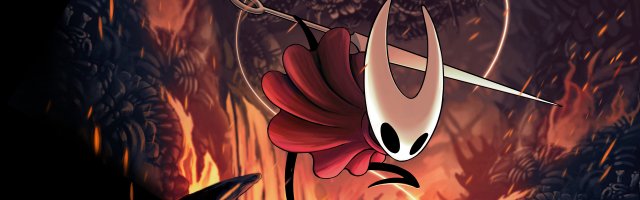
Hornet's fate is finally in the player's hands, as the fanbase was let loose into the newest location: Pharloom. After being kidnapped from her home in Hallownest and brought forcefully to unknown lands, Hornet has a score to settle, setting herself free from her captors.
Yet, her story isn't quite so straightforward — being one of the last survivors of The Radiance's apocalypse, the impact of the first game's narrative takes a toll on our protagonist. Her character development is palpable, not only throughout the story but the franchise itself, as the weight of Hallownest's fate seems to weigh heavily on our heroine.

Team Cherry's new approach to narrative is more straightforward than in Hollow Knight, as the objectives and quests placed before you feel far more coherent and easy to digest. The dialogue leaves few things to the imagination, but there's still a lot to unpack, and Silksong deviates from the annoying trope of incoherent narratives that soulslikes tend to follow so comfortably.
It's a relief to know the goal ahead: climb Pharloom, reach the Citadel, and have a not-so-friendly word with the person who issued our capture. But this is an oversimplification of a narrative that spans a bit beyond its main premise, offering settlements filled with new characters and side stories that are easy to get invested in, even during their short lifespan.
Pharloom is in a state of peril, and so it is our job to ensure that we can bring to peace what few Pilgrims we can assist throughout the journey. It's honestly cathartic to find the various settlements in the world, and completing their questlines offers more than just narrative closure, as the visible changes to the area make Pharloom feel alive, with consistent shifts in character locations and more.

It's a massive world, and when you look at Silksong's map when placed beside Hallownest, it makes you realise just how much effort went into creating the game. Pharloom is filled with secrets to find and challenges to overcome, and the sequel invites the player to take advantage of the robust gameplay upgrades that it has from its original.
Silksong is a sequel through and through, and it feels in the way that it plays and handles itself — it's easy to see that this isn't a narrative or experience meant for newcomers. With upped difficulty and some callbacks to Hallownest, I think it's undeniable to say that venturing into one of 2025's most anticipated games headfirst feels like a massive mistake: new players are not prepared for Pharloom, and that's okay.
The sequel embraces one of my favourite ways to create a follow-up title, and what I wish was more standard in the industry: embracing growth and advancement. From the beginning of its development cycle, Silksong was meant to be a DLC that quickly outgrew its roots and became something far greater, and it feels in the way it plays and behaves: it's a post-game expansion with the upgrades and quality-of-life changes of a sequel.

Hollow Knight was done with me far before I was done with it, as Hallownest's allure left me wanting for more: more fights, more platforming, more anything, and Silksong works as an excellent remedy for this malady. Starting the adventure as Hornet feels familiar, even if strangely dissimilar to our time as the Knight, and the slow difficulty ramp-up makes perfect sense in-lore and gameplay-wise.
Silksong has rekindled the controversy of hard videogames furore once again, but I didn't feel that difficulty. Having completed the original title, this entry feels like a much-needed upgrade that welcomes experienced players to master it the way the previous did, and with its unique difficulty from even the first area and bosses, I have to say I'm glad Team Cherry went for the approach they did.
It's tough as nails, and it can make Hollow Knight seem like child's play at times, but the reward is that mastering Silksong feels even more gratifying than the original: the fluid movement and active combat took me back to fighting some of my favourite bosses in the first. The same development philosophy is present, but it's shifted ever-so slightly to more difficult and more nuanced battles, yet the Team Cherry DNA is still there.

The caveat is that Silksong isn't for everyone — its controversy of inaccessibility for some of the audience puts the difficulty design choice under the spotlight. But making the game a more accessible journey would have been a disservice to Team Cherry's capability as developers, where many of these fights may have been infuriating, but they were fair and damn enjoyable once I got into the flow of things.
A game for everyone is a game for no one, and that is simultaneously Silksong's greatest strength and weakness — what's made it such a divisive launch despite its years of hype. The sequel feels like a love-letter to the fans of the game who spent hours grinding through the Pantheons to claim the completion trophy offered out the other side, but to honour such a die-hard audience, Team Cherry had to forsake those who hadn't dedicated so much — if at all — time to the first.
For newcomers to the franchise, Silksong is a hard game to recommend, not because it's a game you shouldn't get into, but because it feels like a continuation and expansion of the first. While it's a standalone package that neatly works within itself narratively, the difficulty scaling feels like jumping into an experience midway through.

For those who loved Hollow Knight for its endgame content and the challenges that awaited, Silksong is easily a no-brainer purchase that's priced so low it feels like robbery. With dozens of some of the most fun and innovative bosses in this tiny bug world, Silksong outdoes Hollow Knight in some of its elements like movement, fluidity, and even combat, becoming a true sequel that's easy to take hold of, and even easier to binge dozens, if not hundreds, of hours into.
Hollow Knight: Silksong isn’t for newcomers, but it doesn’t have to be: it’s a perfect sequel for lovers of the franchise. Every gameplay element has been elevated, and it builds on so many foundations set in the original before it; it’s honestly a wonder that Team Cherry even managed to live up to the hype and — at times — even surpass it.
Hollow Knight: Silksong (Reviewed on Windows)
Outstanding. Why do you not have this game already?
Hollow Knight: Silksong manages to be a surprisingly great sequel to a title that was all-too difficult to follow up. If you're a fan of the series, you'll find no better way to feel back home than in this sequel, but newcomers should still stick to exploring Hallownest for their first venture.





COMMENTS