
 AD
AD
The Rise of Digital Competitions in Modern Entertainment
Remember when competition was something you watched in a real-life stadium or arena? Things have changed now, with more and more sports, matches and new games played online. It will be a mistake to think that online gaming is just about playing for fun; it’s about engaging in structured digital environments where strategy and skill can lead to real recognition. People can now play opposite each other all around the world, everyone behind their screen but with very real stakes. In-match analysis tools help players make more informed choices about competitive metas and event outcomes, and resources like OddsChecker offer consolidated odds comparisons that contextualise those decisions without interrupting the flow of play, with the added incentive of free spins or dedicated bonuses.
The rise of digital arenas
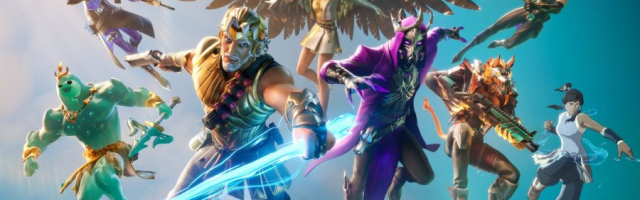
Events like The International, League of Legends Worlds, and Fortnite Championship Series are now fully able to fill stadiums and generate millions of online viewers. It’s a new form of entertainment, in competition with real-life sport events. These aren’t just gaming marathons: they’re highly produced, story-driven spectacles. Think the Super Bowl, but for online games. The level of preparation, though, is very similar to that required by real-life sports. Skills and strategy are crucial and practice is heavily ingrained in the lives of professional gamers. Yes, this could be a profession, and it is for many people. They dedicate their lives to hone their skills and find new innovative strategies not only in order to win, but also to give their fans an exciting show.
The expansion of digital competitions beyond eeports
This is not just a sports transformation: digital competitions go way beyond the simple transfer of a match from real-life stadiums to digital arenas. Fantasy battles to conquer the universe, trivia quizzes, technology-assisted card games, and many other forms of role playing are becoming more and more popular. So audiences can choose between different kinds of spectacles and enjoy their favorite games being played by professionals. Platforms that host art battles, coding sprints, or digital music duels illustrate how gamification has seeped into nearly every creative and technical field. It’s no longer about what you play, but how you play — and how that experience connects you with others, online and offline.
More than a technological change: this is a cultural shift in entertainment
The rise of digital competitions is more than a new way to use technology. It’s a form of entertainment in and of itself, with the potential to compete with more traditional media like cinema or TV. Audiences want interactivity, agency, and engagement, and competitive gaming delivers all three. For younger generations especially, digital arenas have replaced traditional venues as the main stage for entertainment and expression. This shift also redefines celebrity. A completely new era of online fame is upon us: professional gamers, iGaming influencers, content creators and commentators are ready to compete with more traditional entertainers and performers. This also means a new way to interact with fans. Celebs who become famous online are more likely to have a personal, informal relationship with the audience and create a community where fans are part of the experience.
The future of competitive play
Digital competitions have transformed the idea of what entertainment can be. The boundaries between spectacle and audience, professionals and amateurs, participants and spectators are blurring. Anyone can get a fair chance at making gaming their career, given a natural talent for leadership, the willingness to put in the work and practice, and a certain personal charisma. As technology continues to evolve, so will the nature of competition: faster, fairer, and more immersive. In this new digital age, entertainment isn’t just something we consume. It’s something we compete in, create with, and connect through.


COMMENTS